
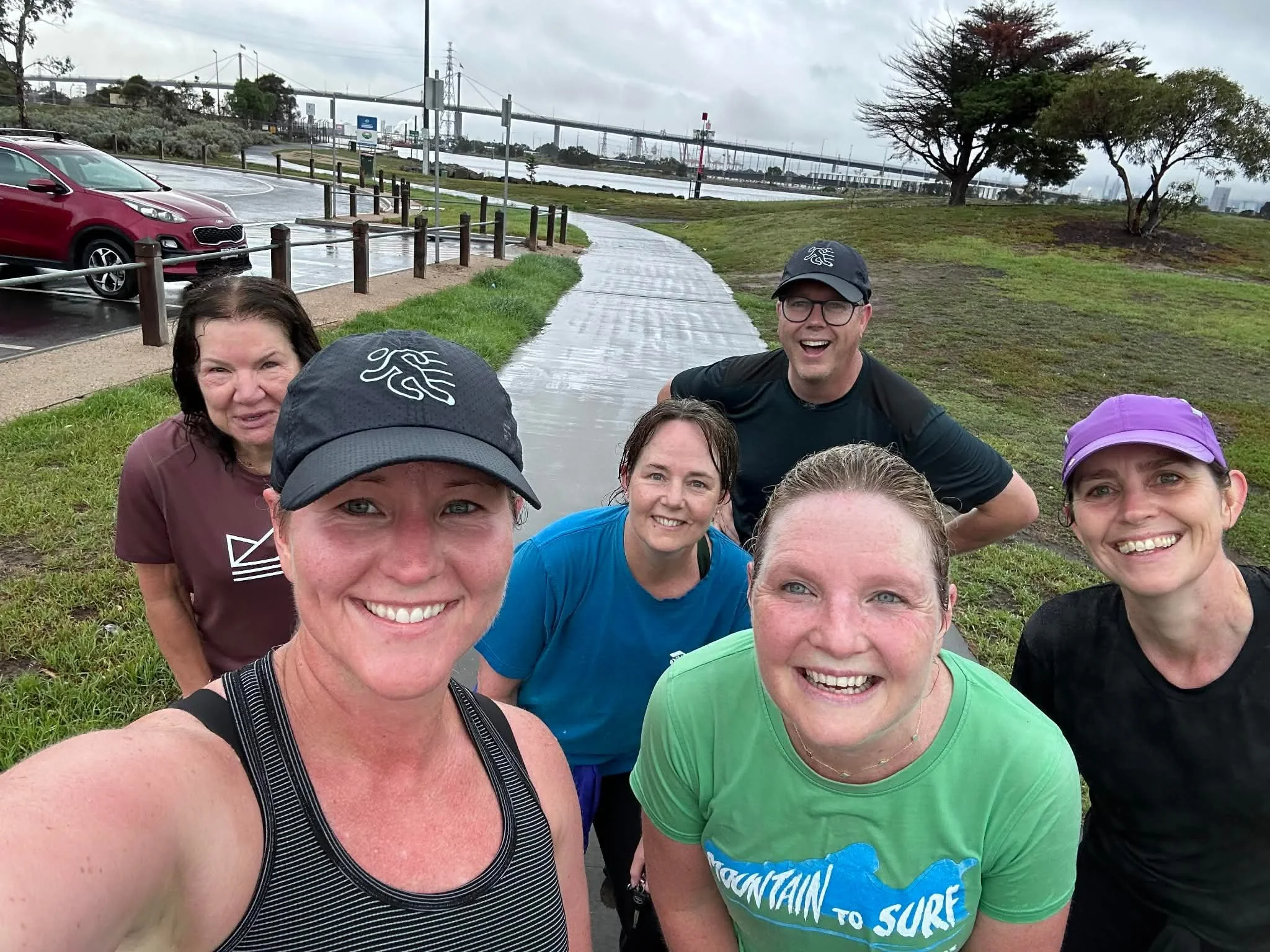
Why Running With Other People Changes Everything
Running alone is easy to skip. Running with a squad isn't. Discover why RD Run Squad in Melbourne's inner west gets people out the door at 5:45am — and keeps them coming back.

One Year of RD Run Coach – And We’re Only Just Getting Started
One year ago RD Run Coach was just an idea built on a simple belief – that running should feel encouraging, inclusive and realistic for everyday people. Twelve months later, Run Squad has become a community of mostly women showing up at 5:45am, building strength on the hills of Farnsworth and cruising the flat paths of Newport and Williamstown. It’s never been about being the fastest in the group. It’s about turning up, backing yourself, and getting stronger together. Year one built the foundation. Year two? We go again – stronger, braver and ready for more.

Sprint Coaching for Your Sport
Speed matters in every sport — but only when it transfers to game-day performance. RD Run Coach delivers sprint coaching tailored to Baseball, Soccer, Lacrosse, and Rugby, developing pure speed, endurance, and sharp change of direction. From juniors learning to move well to athletes chasing a competitive edge, our coaching builds fast, efficient, and durable runners ready for match conditions.
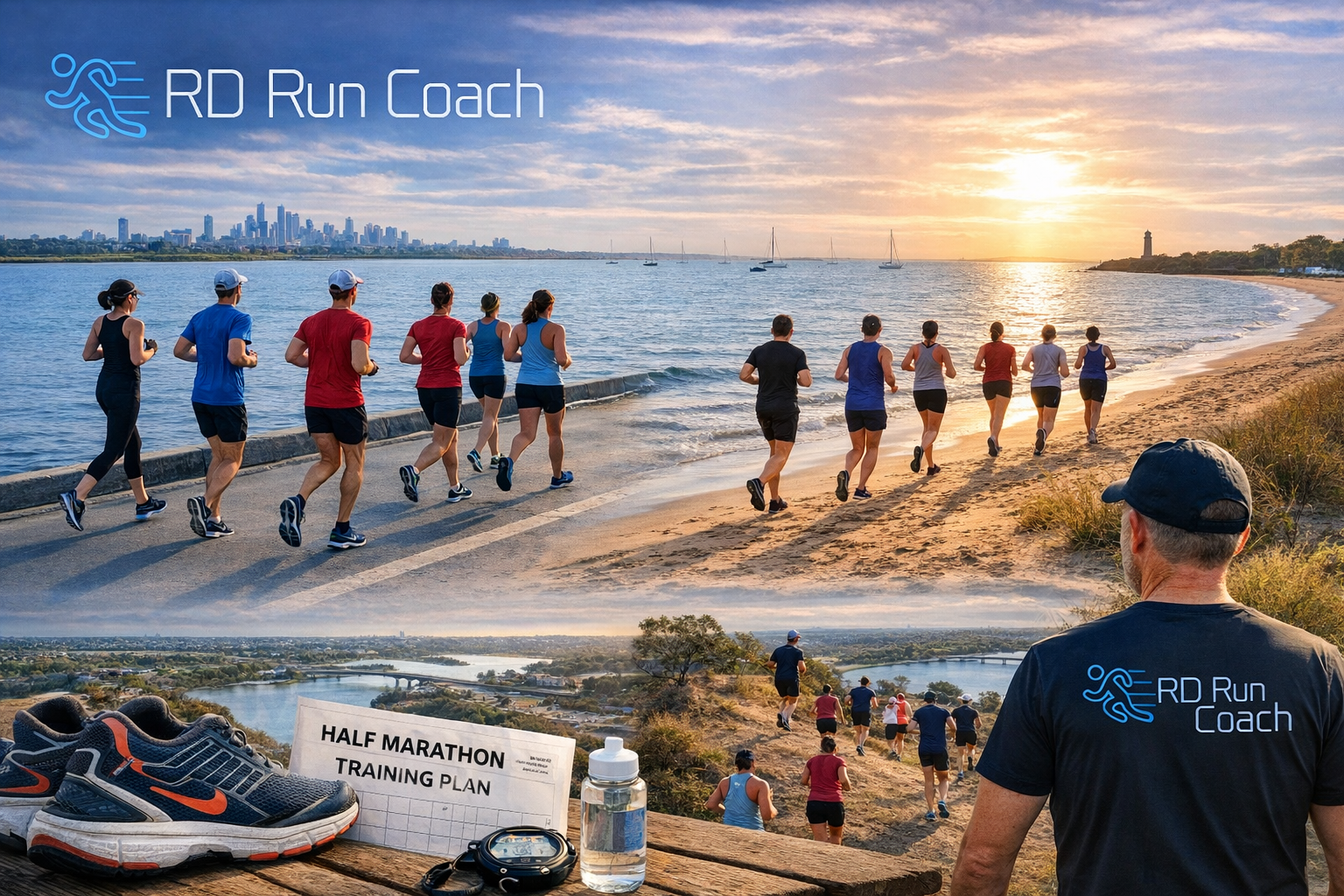
Your Half marathon training plan - from RD Run Coach
Training for a half marathon isn’t about squeezing more kilometres into your week. At RD Run Coach, every plan is built around your life, your recovery needs and how your body responds as you get older. From flat, confidence-building runs around Newport’s waterfront to beach sessions in Williamstown and strength work on the Farnsworth Ave hills, you’ll train smart, sustainably and with support—whether you run with the group or follow the plan in your own time.

Training Plans for Older Runners: Smarter, Not Harder
As we get older, smart training matters more than ever. Running well in your 40s, 50s and beyond isn’t about doing more — it’s about doing what your body can absorb, recover from, and repeat consistently. With the right plan, age becomes an advantage, bringing patience, awareness, and a deeper understanding of effort.
At RD Run Coach, our training plans for older runners focus on balance. Easy running builds the foundation, strength and mobility keep you resilient, and recovery is treated as part of the program — not an afterthought. This approach helps runners stay injury-free.

Destination Run: Kangaroo Island – You Belong on This Run 🏃♀️🌊
Kangaroo Island isn’t just a destination — it’s an experience. Rugged coastline, endless ocean views, quiet trails and moments where nature stops you in your tracks. This is the backdrop for our upcoming RD Run Coach destination run, and it’s exactly why these trips mean so much more than just logging kilometres.
This run is not about speed or experience. It’s about showing up, moving at your own pace, and discovering what you’re capable of in a supportive group environment. Whether you’re newer to running or simply looking for something different, you belong here.
With 16 runners already committed, this Kangaroo Island adventure is shaping up to be something special — shared runs, unforgettable scenery, and the confidence that comes from doing something a little outside your comfort zone, together.

Running, Speed, and Heart: RD Run Coach Sponsors Newport Baseball Club

RD Run Coach Team Gears Up for the Queenstown Half Marathon – 15 November

Why Plyometric Exercises Are Important for Endurance Running
If you’re an endurance runner, chances are your training calendar is full of long runs, tempo sessions, and perhaps the occasional hill repeat. But there’s one powerful training tool that many distance runners overlook: plyometrics. These explosive, jump-based exercises might seem more at home in a sprinter’s gym routine, but they offer real, measurable benefits for endurance athletes of all ages—especially those over 45 looking to stay strong, fast, and injury-free.
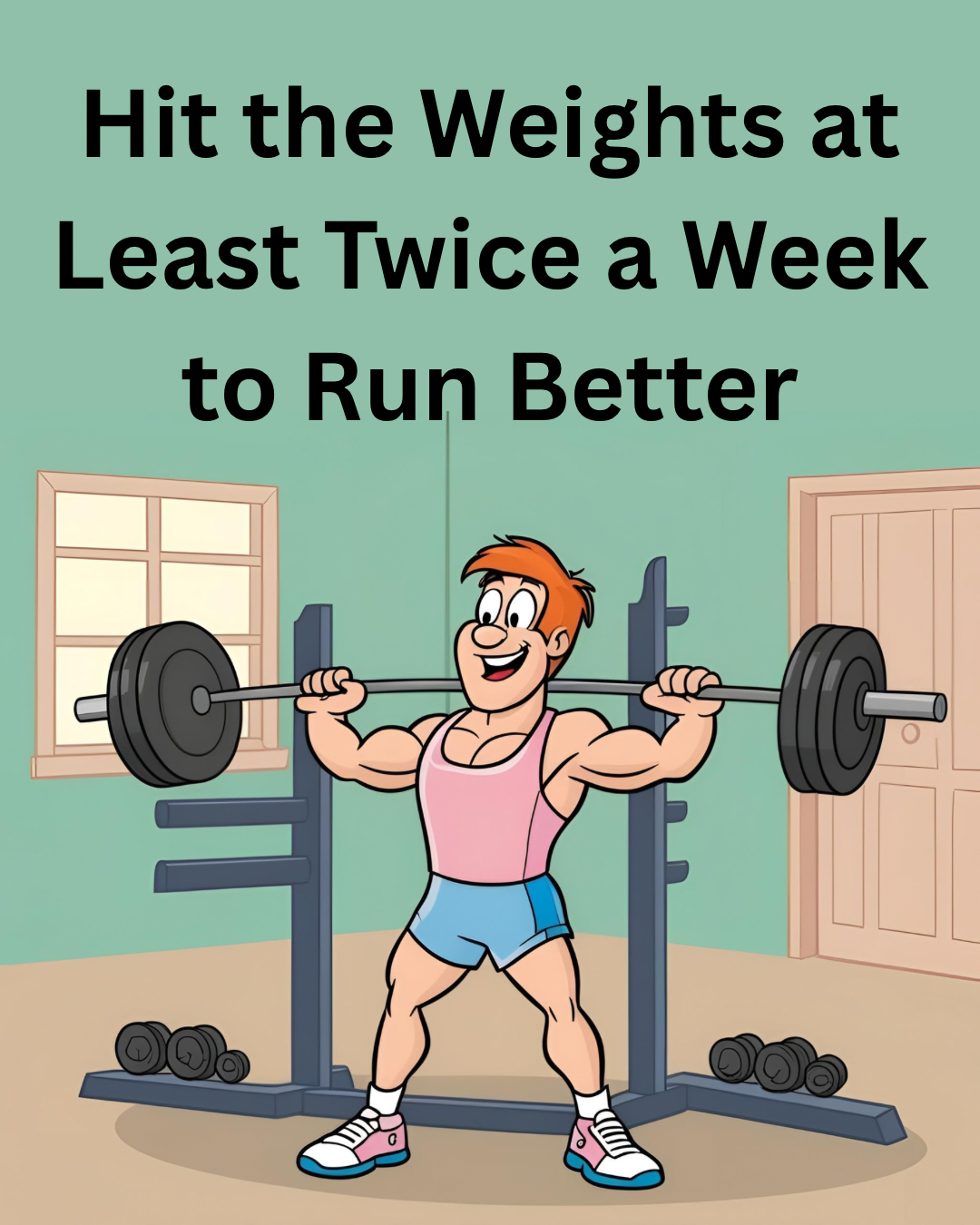
Hit the Weights at Least Twice a Week to Run Better
For many runners, strength training is the spinach to their Popeye—essential, but often overlooked. If your running goals include improving performance, reducing injury risk, or simply feeling stronger and more confident on every stride, then it’s time to embrace the iron. Hitting the weights at least twice a week can be the game-changer your training has been missing.

Why Mobility Matters More Than You Think for Endurance Running
It’s not just about stretching—mobility is the quiet powerhouse behind efficient, injury-free running.

Ready to Train Smarter? Here’s What to Do Next
You’ve made it to the end of this series — and if you’re still here, one thing’s clear:
You’re not interested in running harder just for the sake of it.
You want to train smarter.
To run well. Stay injury-free.
And feel proud of what your body can still do — not frustrated by what it can’t.

Why a Custom Plan Matters More After 45
When you were younger, you could grab a free plan off the internet, skip a few sessions, and still show up on race day feeling decent.
But after 45? That approach usually leads to injury, frustration, or burnout.
Because let’s face it — your body, your lifestyle, and your goals have changed. So should your training.

3 Simple Daily Habits to Boost Your Running Over 45
Most runners over 45 aren’t lacking motivation — they’re just tired of wasting energy on the wrong things.
Good news? You don’t need a complete life overhaul to start seeing progress.
In fact, it’s often the small, consistent habits — not giant leaps — that lead to breakthroughs.

Why Runners Over 45 Need Smarter, Not Harder, Training
If you’re over 45, training harder doesn’t always mean training better.
In fact, pushing too hard, too often is the exact reason many runners stall, burn out, or get injured.
Here’s the truth:
Your body can still improve — but the way you train needs to evolve.

5 Running Myths That Runners Over 45 Should Ignore
There’s no shortage of advice out there for runners — and a lot of it isn’t built for those of us over 45.
Too often, we’re told to just slow down, expect injuries, or stick to walking. It’s well-meaning, but it’s wrong.
Because if you train the right way, improvement is possible — and your best running might still be ahead of you.

Smarter Running After 45 Starts Here
If you’re over 45 and wondering whether your best running days are behind you — you’re not alone.
Maybe you’ve been running for years. Maybe you’re returning after a long break. Or maybe you’re brand new to the sport but determined to do it right. Whatever the case, welcome — you’re in the right place.

Why running in a group will help you thrive
Why should I run in a group - I can do it alone…

Nutrition for runners - what you need to know

Why Strength Training is Essential for Runners Over 45
Strength training is essential as we get older - particularly for runners.